The Department of Neurology is a major part of WashU Medicine’s world-renowned neuroscience research community. Through groundbreaking basic science and clinical studies, our researchers are on a quest to improve the lives of individuals with neurological disorders.

170+ faculty

NIH neurology funding

50 laboratories
Our department conducts research across the full spectrum of neurology. From basic science aimed at understanding the fundamental mechanisms of health and disease, to translational and clinical studies focused on developing and evaluating new diagnostics and treatments — our work spans the entire research continuum. As we confront some of medicine’s most complex challenges, we remain committed to finding innovative solutions.

Announcing the 2025 Bold Pioneer Award winner: Claire Clelland
Presented by the Department of Neurology
Join us on April 24 as we honor her innovative contributions to neuroscience.
Comprehensive areas of study
alzheimer disease • developmental and genetic disorders • neurodegenerative disease • neuroimmunology • neuroinfectious disease • epilepsy • sleep disorders • neuromuscular disorders • brain tumors • headache • stroke • traumatic brain & spinal cord injury

The vast resources we have, particularly for early career faculty, are astonishing. These resources include basic and clinical science research cores, grant writing and editing services, mock study sections tailored to your grant proposals, and early career faculty mentorship groups. The Neurology department leadership prioritizes the success of early career faculty, and it shows.
Bhooma Aravamuthan, MD, DPhil, Assistant Professor of Neurology and Pediatrics
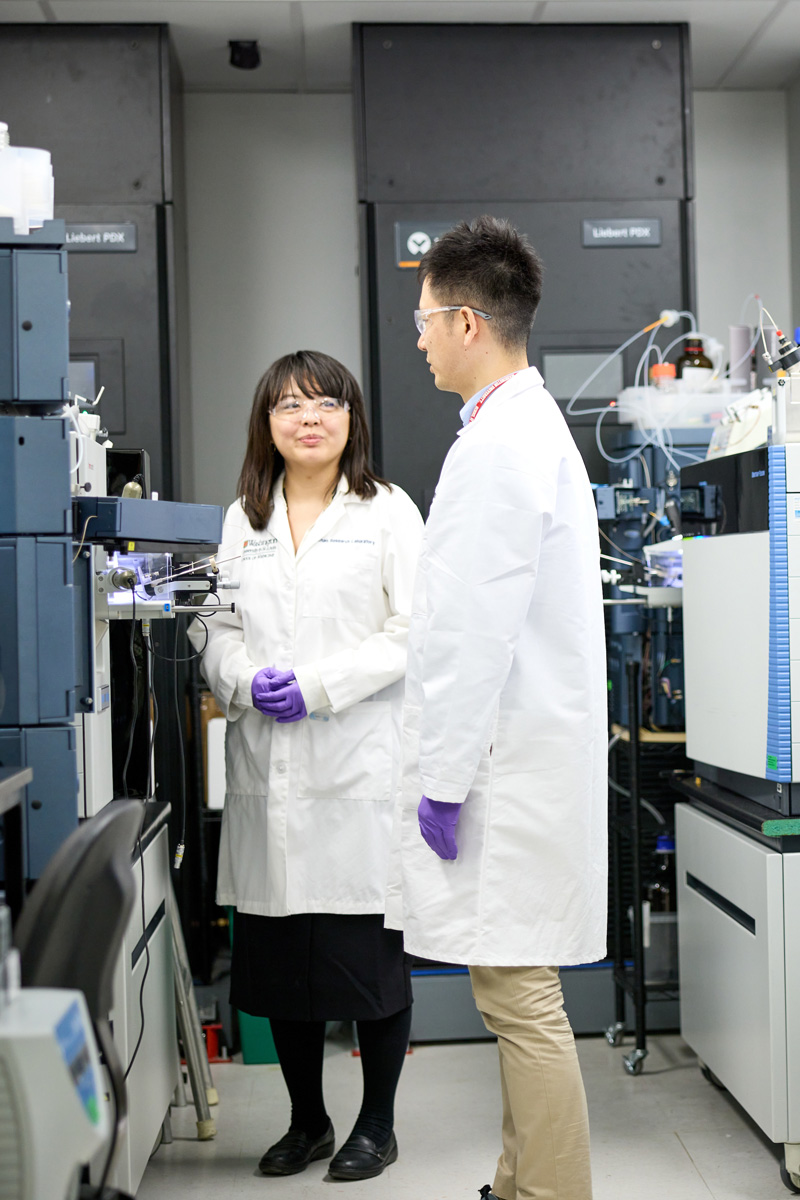
Centers
National experts provide care and conduct research to advance diagnosis and treatment.
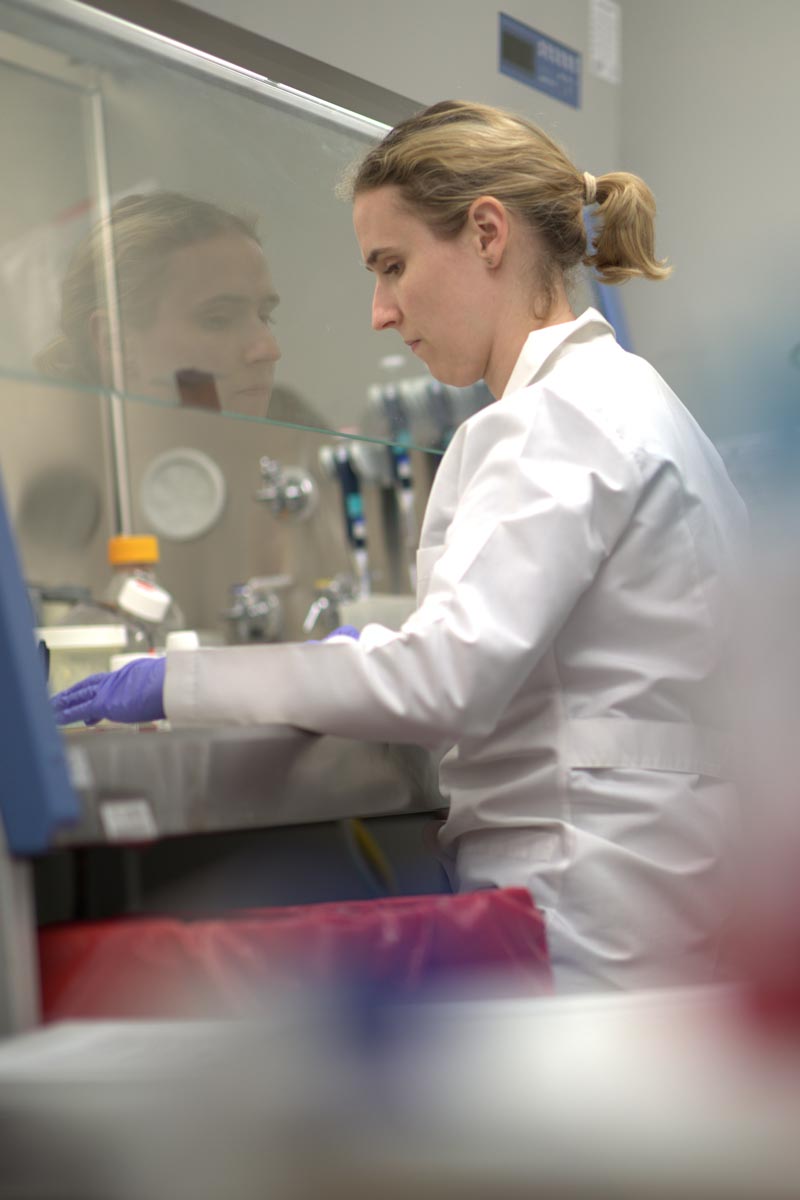
Laboratories
Roughly 40 labs cover the full spectrum of neurological investigations from basic science through clinical application.
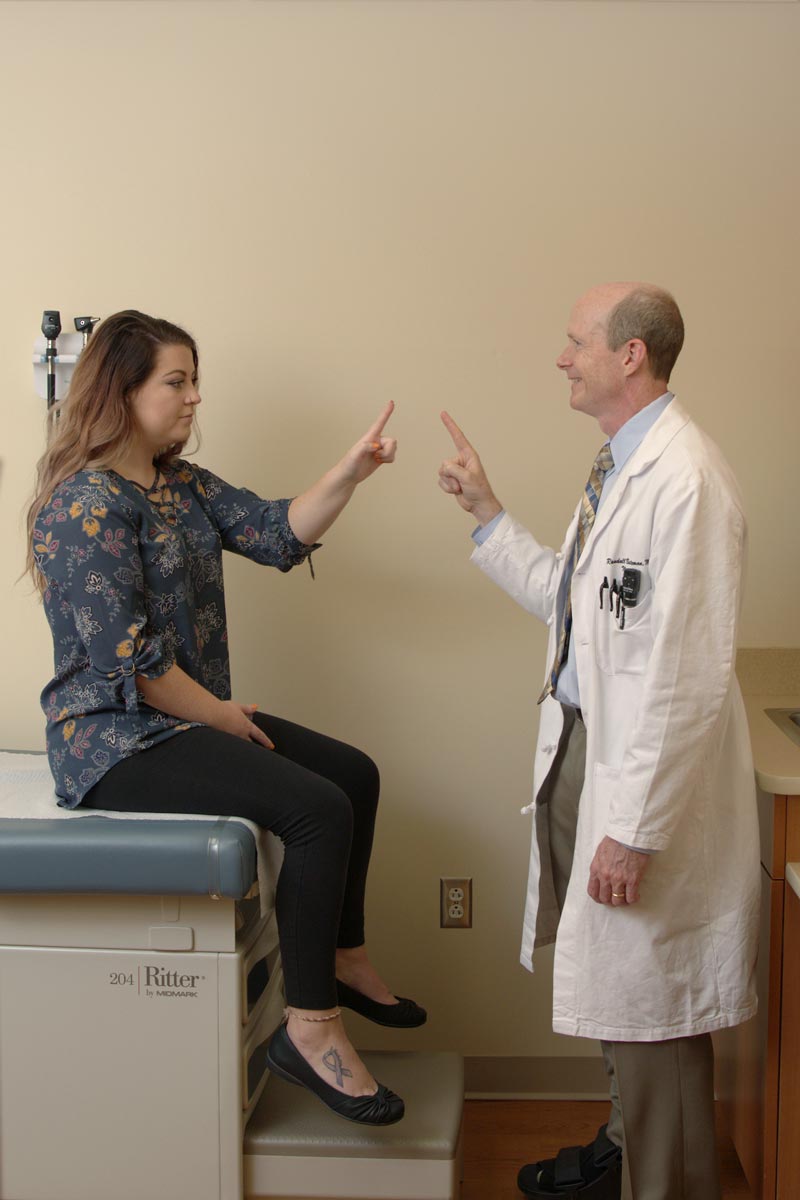
Clinical trials
Groundbreaking clinical trials provide opportunities for participants to shape the future of care.
Explore in depth
Visit the profiles.wustl.edu website for an interactive exploration of our research.
The Neuroscience Research Building
We practice what I like to call team science. Instead of working in silos, our faculty collaborate across departments, drawing on the expertise of colleagues and mentors throughout the university. They also have access to exceptional facilities and cutting-edge technologies. This collaborative environment is especially beneficial for junior faculty, helping research progress more quickly and smoothly.
Joel Permutter, MD, Elliot Stein Family Professor of Neurology
Highlights
- More than 56,000 square feet of dedicated research space
- Ranked No. 3 in NIH funding among all neurology departments in the U.S. (Source: NIH RePORTER)
- Two endowed research centers
- McDonnell Center for Systems Neuroscience, directed by Steve Petersen, PhD
- McDonnell Center for Cellular and Molecular Neurobiology, directed by Linda Richards, PhD
Community engagement
The department is expanding efforts to engage with members of our St. Louis community. With community partners, we aim to improve diversity in clinical trial recruitment and to guide the direction of our research to address community priorities. As a model, we look to the years-long successes of our Knight Alzheimer Disease Research Center.
Neuroscience at WashU Medicine
Across disciplines and departments, we’re leading advances in discovery, education and care.