Risk, resiliency in aging brain focus of $33 million grant (Links to an external site)
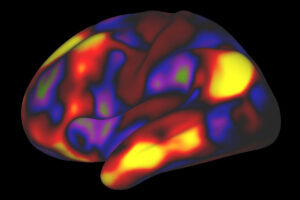
A functional MRI scan reveals the default mode network in the brain of a person at rest (above). Researchers with the Adult Aging Brain Connectome Study are collecting these and similar brain scans from 1,000 adults to study risk and resilience in the aging brain. The project, which involves researchers at Washington University School of Medicine in St. Louis and other institutions, is funded by a $33.1 million grant from the National Institute on Aging.

A large study that investigates just what keeps our brains sharp as we age and what contributes to cognitive decline has been launched by researchers from Washington University School of Medicine in St. Louis, Harvard University/Massachusetts General Hospital, the University of Minnesota Medical School and the University of California Los Angeles (UCLA).

2022 Excellence in Nursing Awards finalists announced (Links to an external site)

St. Louis Excellence in Nursing Awards

As the COVID-19 pandemic has altered our everyday lives and challenged the medical community in profound ways, it’s a particularly apt moment to applaud the inspiring efforts of nurses across the St. Louis region. They consistently exhibit selfless care, compassion, and service.

Ances honored by Down syndrome society (Links to an external site)

Beau M. Ances, MD, PhD, the Daniel J. Brennan Professor of Neurology at Washington University School of Medicine in St. Louis, recently received the Shining Star Award from the Down Syndrome Association of Greater St. Louis. Ances was recognized for his work championing the health and well-being of the Down syndrome community through his research […]

Boosting T cells improves survival in mice with glioblastoma (Links to an external site)

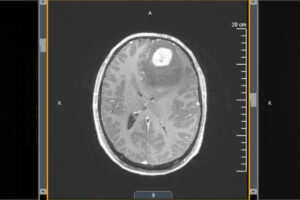
A new study from Washington University School of Medicine in St. Louis shows that treatment with an immune-boosting protein called interleukin 7 (IL-7) in combination with radiation improves survival in mice with glioblastoma. Shown is an MRI scan of the brain of a patient with glioblastoma.

Glioblastoma, an aggressive cancer in the brain or spinal cord, has proven stubbornly resistant to newer immunotherapies. And radiation and chemotherapy, the standard treatment for glioblastoma, result in fewer than 10% of patients surviving longer than five years after diagnosis.