In an interview with KMOV’s Samantha Jones, Dr. Nupur Ghoshal explains aphasia after Bruce Willis diagnosis.
Video: Dr. Nupur Ghoshal explains aphasia after Bruce Willis diagnosis (Links to an external site)
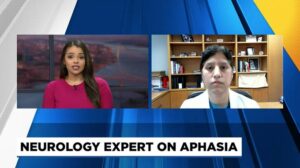
In an interview with KMOV’s Samantha Jones, Dr. Nupur Ghoshal explains aphasia after Bruce Willis diagnosis.
Adding to a growing body of evidence that, for many, problems related to COVID-19 linger longer than the initial infection, researchers at Washington University School of Medicine in St. Louis have found that some people infected during the pandemic’s early months experienced symptoms of peripheral neuropathy — pain, tingling and numbness in the hands and […]

Naresha Saligrama, an assistant professor of neurology and of pathology and immunology at the School of Medicine, is part of a team led by Lisa Wagar, of the University of California, Irvine, that has received multiyear, multi-million-dollar funding from Wellcome Leap to use human tonsil organoids to study immune responses.
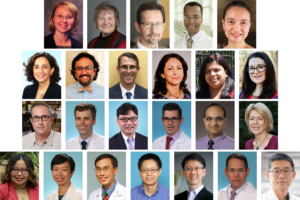
Washington University Institute of Clinical and Translational Sciences (ICTS) and The Foundation for Barnes-Jewish Hospital awards 25 investigators as part of the 15th annual Clinical and Translational Research Funding Program (CTRFP). The CTRFP is the largest internal grant funding program of the ICTS. Applicants are required to submit proposals for projects that promote the translation […]
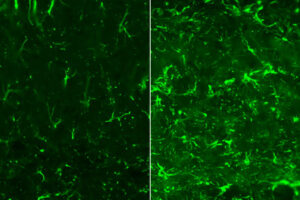
Alzheimer’s disease is the most common and best known of the tauopathies, a set of neurodegenerative brain diseases caused by toxic tangles of the protein tau. A study by researchers at Washington University School of Medicine in St. Louis has shown that targeting astrocytes — an inflammatory cell in the brain — reduces tau-related brain […]
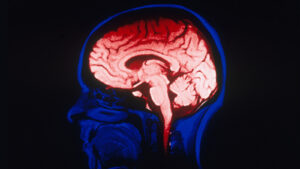
Researchers have long used imaging technology to try to understand mental-health ailments. But with relatively few participants, such studies may not be producing valid findings.
As brain scans have become more detailed and informative in recent decades, neuroimaging has seemed to promise a way for doctors and scientists to “see” what’s going wrong inside the brains of people with mental illnesses or neurological conditions. Such imaging has revealed correlations between brain anatomy or function and illness, suggesting potential new ways […]
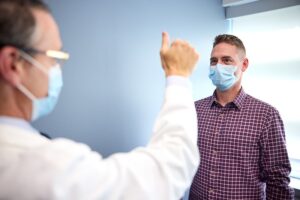
Every two weeks, a nurse visits 43-year-old Marty Reiswig in Denver, Colorado, and injects him with an experimental drug called gantenerumab. Every month, Reiswig drives into town for a brain scan to make sure the drug has not caused any bleeds. And every year he flies to St Louis, Missouri, for four days of brain […]
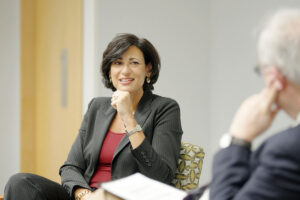
Rochelle P. Walensky, MD, the director of the Centers for Disease Control and Prevention (CDC), visited Washington University School of Medicine last week to discuss lessons learned from the COVID-19 pandemic. As part of the Department of Medicine’s weekly Grand Rounds series, she sat down March 3 with William G. Powderly, MD, the J. William […]
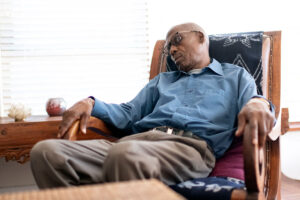
The TV sitcom grandpa character who always seems to fall asleep at unfortunate moments is so common it’s almost a cliché. But daytime napping and disjointed sleep at night aren’t normal parts of aging. Sleep disturbances can be an early sign of a neurodegenerative condition, and they may be treatable.