Center of Excellence in Neuropathy Treatment and Research (CENTR)
Center of excellence in neuropathy treatment and research advances care and discovery for neuropathies
At our center, we are committed to providing comprehensive care, conducting cutting-edge research and advancing the understanding and treatment of neuropathy. Our expert team of physicians, healthcare professionals and researchers works collaboratively to improve the lives of individuals living with neuropathy and contribute to the development of innovative therapies.
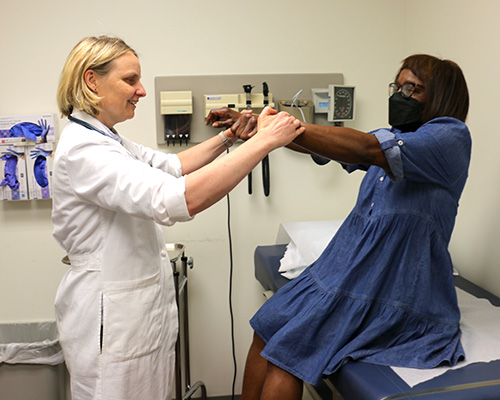
Neuropathy is a potentially debilitating condition that can cause a range of symptoms, including numbness, tingling, pain and muscle weakness. We recognize the challenges this condition presents and the impact it can have on daily life. Our approach is centered on delivering personalized, evidence-based care tailored to each patient’s unique needs, with the goal of restoring quality of life.
Research and innovation
Our center is at the forefront of neuropathy research. We are actively investigating new diagnostic techniques and treatment options. Through ongoing studies, we aim to uncover the underlying causes of neuropathy and identify novel therapies. This research not only benefits our patients but also contributes to the broader scientific understanding of this complex condition.
Contact us
We invite you to explore our website to learn more about our team, services, research initiatives and patient resources. Whether you are seeking a diagnosis, exploring treatment options or interested in participating in clinical trials, we look forward to partnering with you to achieve optimal neurological health and a brighter future.
Phone: 314-362-6981
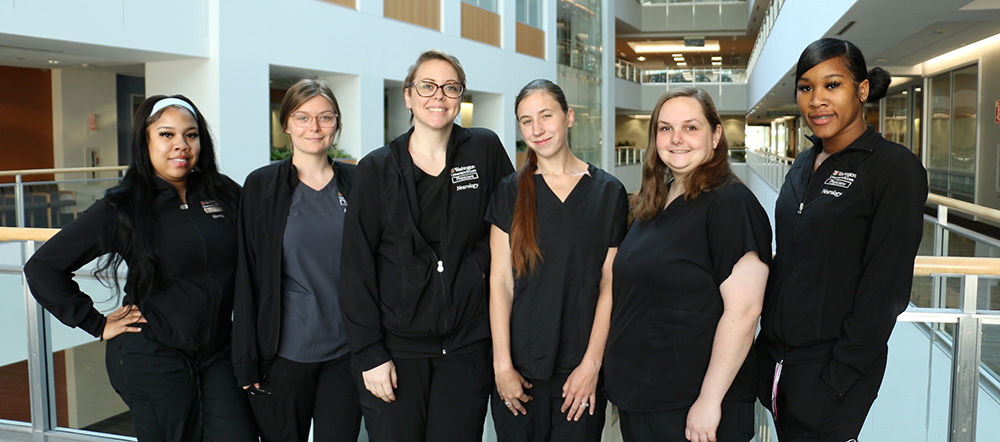
Our team
Physicians
Physician assistants
Resources
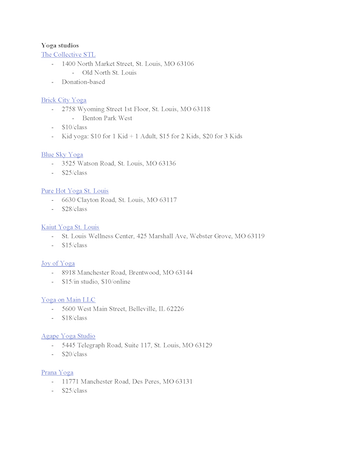
Flyer of recommended organizations within our St. Louis community.
- Rise slowly from lying to sitting to standing
- Drink 2.5 – 3 liters of water per day. Approximately half of this should be electrolyte-rich fluid like Gatorade, Powerade, or dissolvable electrolyte packets
- Increase salt intake up to 10 grams per day
- Exercise approximately 30 minutes a day with moderate aerobic activity. Recumbent bike is often well-tolerated in patients with autonomic dysfunction
- Elevate head of bed with bed rises or cinder block 4-6 inches
- Eat small meals throughout the day rather than 3 large meals
- Compression stockings can be purchased online or at your local pharmacy
EMG/NCS to query neuropathy. Include SSR, RR variability, and QSART
First tier labs
- CBC
- CMP
- B12
- Folate
- TSH, FT4
- HbA1c
- ANA, ENA, Lupus anticoagulant
- B2 glycoprotein
- IgM/IgG
- Cardiolipin IgM/IgG
- C3, C4
- Mayo dysautonomia paraneoplastic panel
Second tier labs
- AM cortisol
- 24 hour urine sodium
- Serum metanephrines
- Tryptase
- 24 hour mast cell mediators (leukotriene E4; 2,3-dinor 11 beta prostaglandin F2 alpha, N-methylhistamine)
- Orthostatic catecholamines supine and standing
Cardiac testing
- EKG or Holter
- TTE
Pathology
- Lip biopsy and/or skin biopsy
Consults
- PT for dysautonomia
- Exercise physiology for POTS
- Dysautonomia RN educator
- GI motility consults